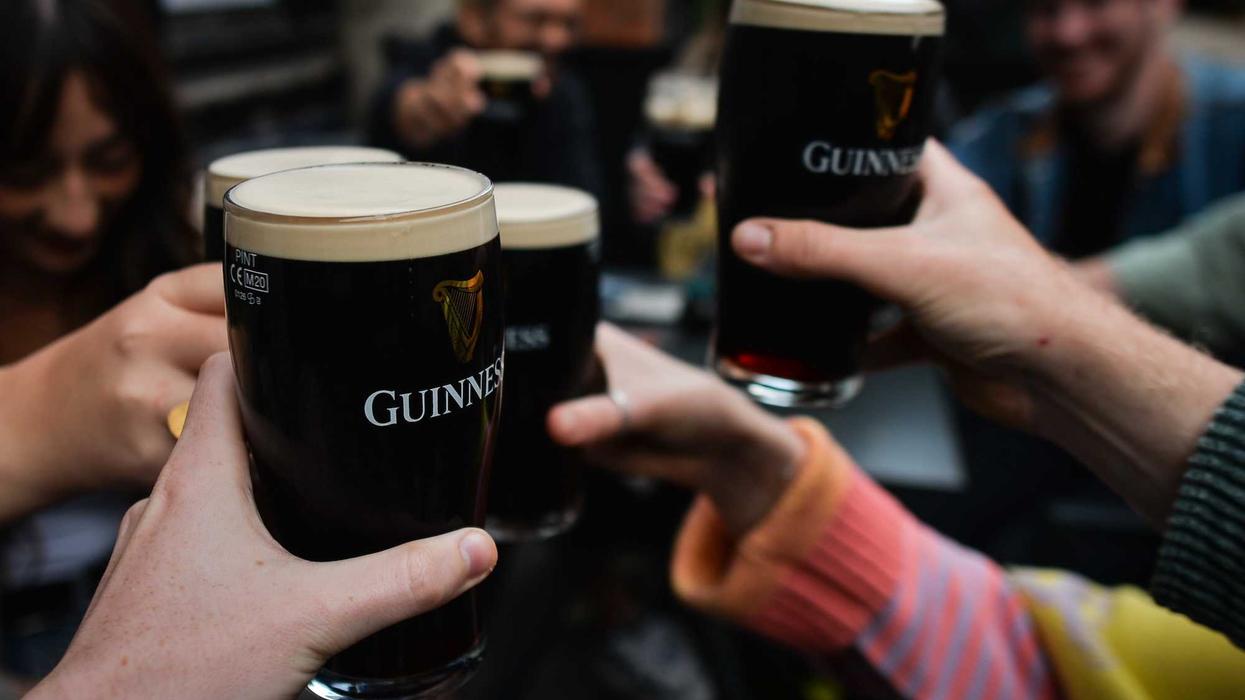
It only took 267 years, but Guinness has become an “overnight” sensation – with the younger generation of beer drinkers, at least. After four straight years of double-digit growth, including a 14% spike in 2024, the iconic Irish stout reported a 13% jump in global sales in 2025.
That might not sound like a huge increase, but beer math scales fast. When a brand sells nearly 2 billion pints annually, those increases translate to roughly 234 million additional pints sold per year.
The brand has gained more than 3.8 million new drinkers since 2019, according to Diageo, Guinness's parent company. The surge triggered supply shortages at bars worldwide in late 2024, when the brand’s growth strained capacity at St. James’s Gate Brewery in Dublin. Guinness subsequently depleted its Irish reserves, rationed keg deliveries to pubs, and invested hundreds of millions of dollars in production.
Demand for the beer remains high even now, well into 2026. So, why is Guinness suddenly on everyone’s lips? Let's look at the numbers.
The “split the G” effect
@niallhoran Splitting the G with the most Irish non-Irish man I know, @Ed Sheeran #TheShowLiveOnTour #OnTour ♬ Irish Jig - Irish Pub Society
“Split the G,” a social media challenge in which drinkers attempt to land their first sip of beer exactly halfway down the “G” on their glass’s Guinness logo, has amassed 13.9k posts on Instagram and nearly 10k TikTok posts (and counting) as of this writing. It's more than a bar trick or viral trend; it’s a behavioural shift that’s changed how people consume Guinness beer. Traditionally, Guinness is sipped slowly to savour its nitrogenated foam. But now, some drinkers are taking more substantial, goal-oriented first sips in an attempt to “split the G.”
The feat often takes multiple attempts to nail, turning it into a group activity that often leads to collective rounds. Research shows that social influence can increase alcohol consumption by as much as 34% in lab-controlled settings – participants drink more and assign higher value to the same drink when exposed to positive social cues. So, “splitting the G” creates a shared target that turns individual drinking into group behaviour. Guinness pours approximately 1.8 billion pints every year, so if even a small share of Guinness fans attempt the challenge (increasing their consumption in the process), that’s a lot of additional Guinness going around.
Then there's social media: posts tagged with #SplittheG have amassed tens of millions of views across TikTok and Instagram. A backstage challenge with Ed Sheeran and Niall Horan has 6.4 million views on Instagram alone.
In an advertising context, a standard programmatic ad costs around US$13 per thousand views. Celebrity content with mega-influencers (1M+ followers) commands anywhere between US$50,000 and US$500,000+ per video. Applied to the Sheeran/Horan clip, that works out to roughly US$104 per 1,000 views – about 8.6 times the cost of traditional digital ads. Of course, views don't always convert to sales, but at scale, small conversion rates still add up. If just 1% of people who watch the video buy just one additional pint of Guinness, every 10 million views could generate 100,000 pints sold.
Less booze, more Guinness
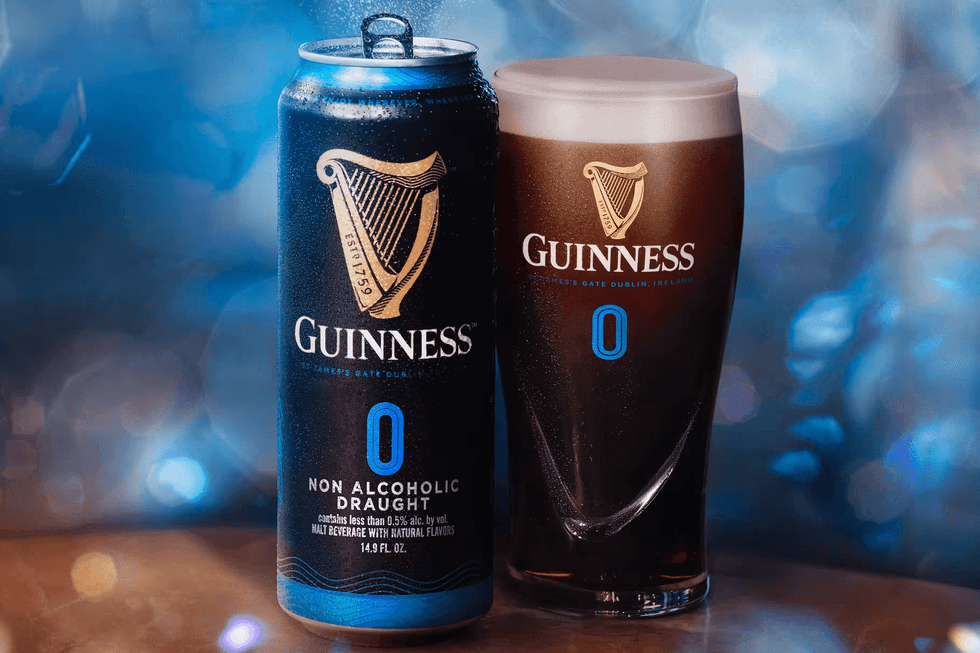
Guinness 0.0, the brand's non-alcoholic option, has seen double-digit growth since its 2020 launch.
Diageo
Canadians are drinking less overall, and non-alcoholic beer imports rose 18.2% year-over-year between 2024 and 2025. That might sound like bad news for a beer brand, but Guinness 0.0, the alcohol-free version that launched in 2020, turned that trend into an opportunity. Guinness 0.0 has posted double-digit growth since launch, with strong sales in Great Britain, Ireland, and the United States.
But non-alcoholic beers don't necessarily replace alcoholic ones, and research shows that non-alcoholic beer has developed its own demand base rather than functioning as a direct substitution. Total beer consumption increases rather than just shifting from alcoholic to non-alcoholic pints. Diageo identified what it calls “zebra striping” – alternating between alcoholic and non-alcoholic drinks in a single session. Someone who normally stops at one or two pints might add a non-alcoholic third. Contexts where people wouldn't typically drink (say, midday or after a workout) become available. By removing constraints around time, place, and function, Guinness 0.0 creates more occasions for drinking.
Powerful friendships
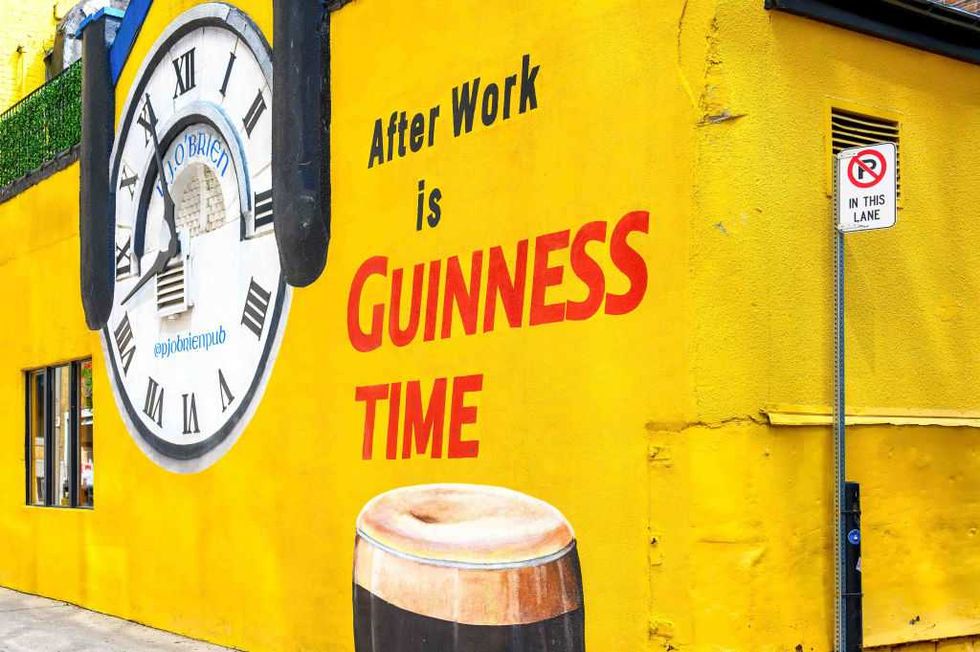
Guinness has grown significant market share among women and young drinkers.
Roberto Machado Noa / Getty Images
Diageo also credits strategic partnerships for driving much of their recent growth. Collaborations with the Women's Six Nations and DJ Fred Again helped Guinness grow market share among women and younger drinkers in Great Britain, demographics in which Guinness has traditionally underperformed.
A significant partnership came in 2024, when Guinness announced a four-year deal with the Premier League, becoming the league's official beer (with Guinness 0.0 as the official non-alcoholic option). For the 2025-2026 Premier League season, Guinness launched "A Lovely Day for a Guinness," its largest global campaign to date, running across Premier League broadcasts that reach over 900 million homes in 189 countries.
As a result, the company reports Guinness became the number one beer for watching football in Great Britain. And the playbook continues with a FIFA World Cup sponsorship – Guinness signed on as the official spirits provider, with Diageo attributing recent sales growth partly to World Cup-related stocking in Latin America and the Caribbean.From pints to global growth
Guinness hasn't changed its core product, but what has changed is how people interact with it: the social rituals; the drinking occasions; the reach. Individually, they might just look like marketing wins or internet fads, but on a global scale, those changes add up to 234 million additional pints and roughly $1.9 billion in spending. When you're operating at Guinness's level, small behavioural shifts become billion-dollar stories.