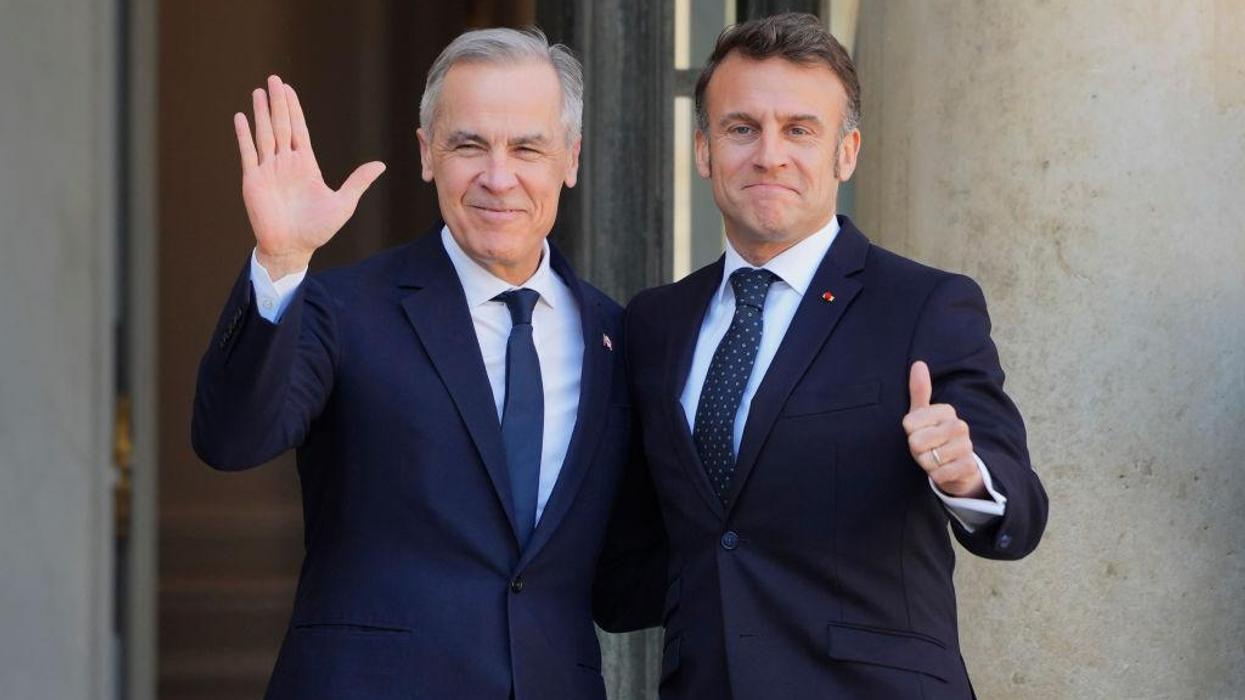

The story: Prime Minister Mark Carney announced yesterday that the federal government will temporarily suspend its fuel excise tax starting next week and going until Labour Day – a move aimed at cushioning Canadians from an oil price spike that, in theory, should be good for Canada. We're the world's fourth-largest oil producer and allies are calling Canadian energy companies directly asking for propane and natural gas. The problem is that we can't deliver: the Trans Mountain pipeline is at capacity, while oil and gas CEOs at this week's BMO conference aren't changing their capital budgets, because traders expect prices to fall back to $70 once the conflict stabilizes.
What this means…
- For investors: Near-term earnings look strong, but energy companies are pocketing the windfall rather than reinvesting it, so don't expect production growth or any major capital announcements.
- For consumers: The fuel tax cut helps, sure, but not evenly. In Canada's North, carrier fuel surcharges are pushing grocery prices up by dollars per item, and a 10-cent saving at the pump won't come close to covering it.
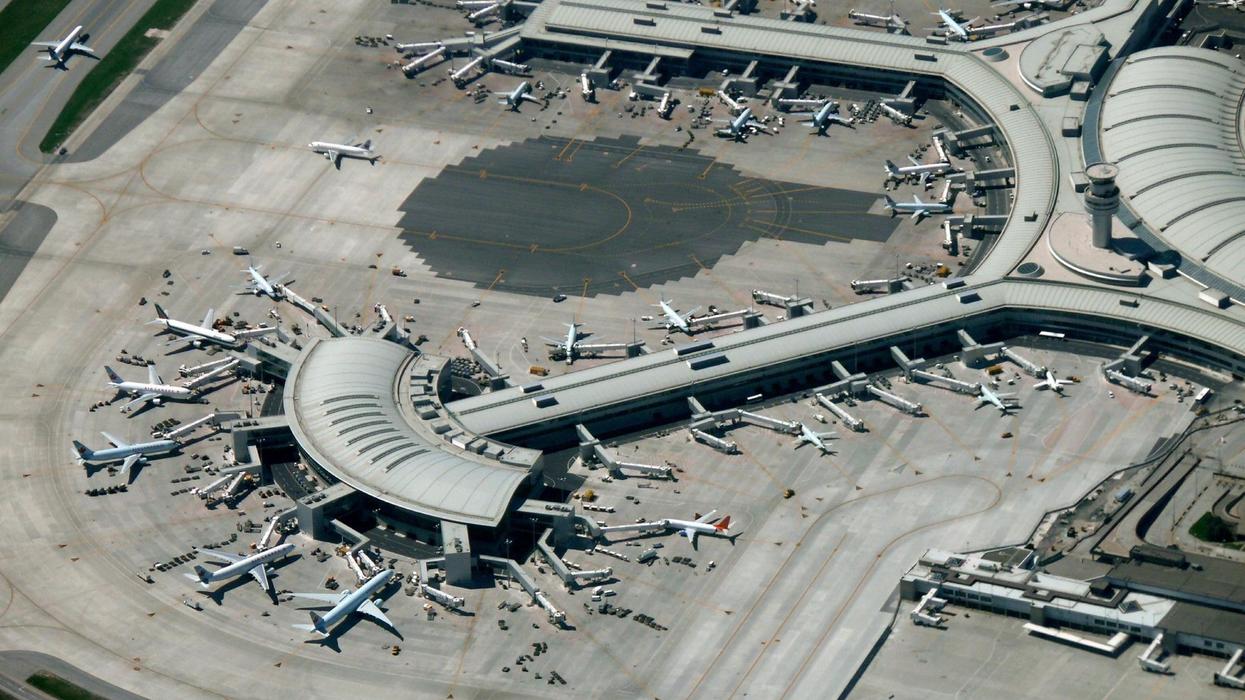
- For the energy sector: LNG Canada's Phase 2 designation as a project of national importance shows the federal government is serious, but it's a years-long build and allies need supply now.
Bottom line: Canada has spent years arguing about whether to build energy infrastructure. The Iran War has made that argument a lot more expensive to lose.
The tariff fight that actually threatens the Canada-United States-Mexico Agreement
Everyone’s asking: Will Trump’s tariffs be struck down in court?
The better question: Will Canada's CUSMA exemptions still mean anything by August?
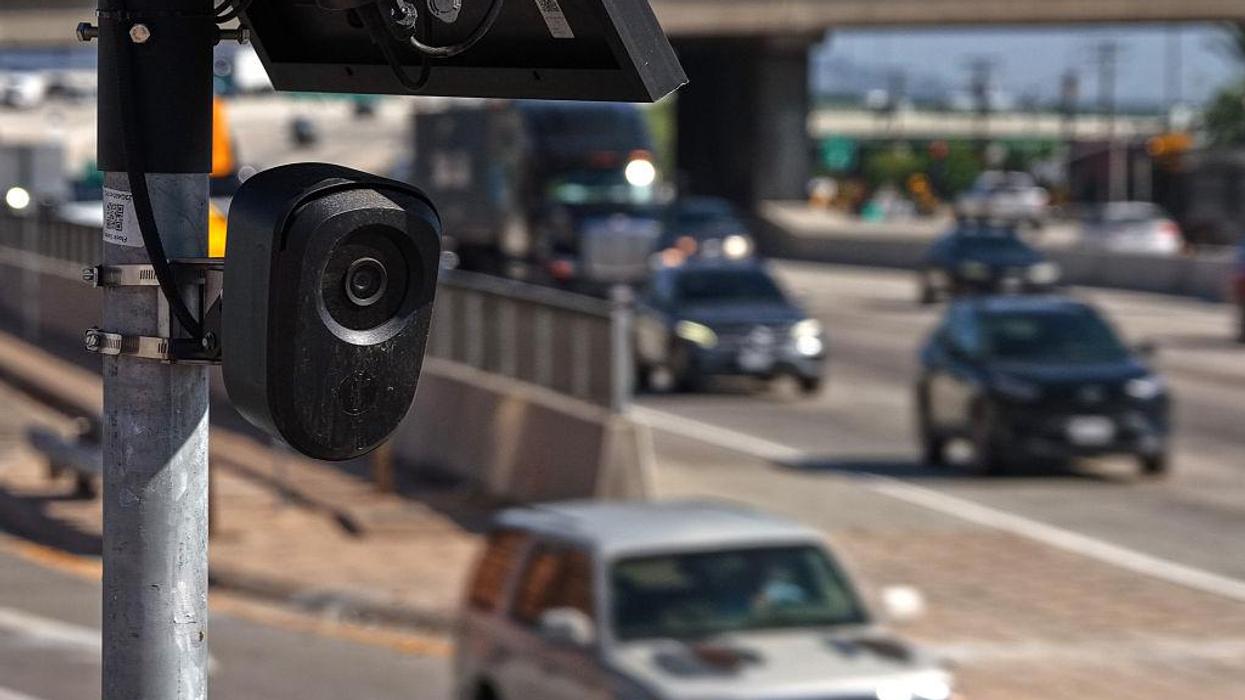
Why it matters: US Treasury Secretary Scott Bessent said this week that Section 301 investigations are on track to restore previous tariff rates by early July – same rates as before, but with a different legal framework. Unlike Section 122, which explicitly excluded goods qualifying under CUSMA (Canada's trade agreement with the US), Section 301 tariffs aren't bound by the same exemption. Canada's already under a Section 301 investigation over its enforcement of its import ban on goods made with forced labour, and if the US Trade Representative finds our enforcement lacking, it can impose tariffs, withdraw trade concessions, or demand policy changes. That investigation is running concurrently with CUSMA renegotiations opening this summer, giving the US fresh leverage to hold over Canada.
“We want to send a message to the judges: don’t hold back, send them to jail.”
That’s Ontario Premier Doug Ford explaining his government’s proposal to add 6,000 new beds to Ontario jails at a projected cost of $1.2 million (!) each.
Why it matters: Beyond the cost of just adding the beds, the price of housing one inmate in an Ontario jail is $319 per day, according to Statistics Canada. That's $116,435 per year – multiply that by 6,000 and you're looking at increased annual costs of nearly $700 million. That math doesn’t seem all that ‘conservative.’