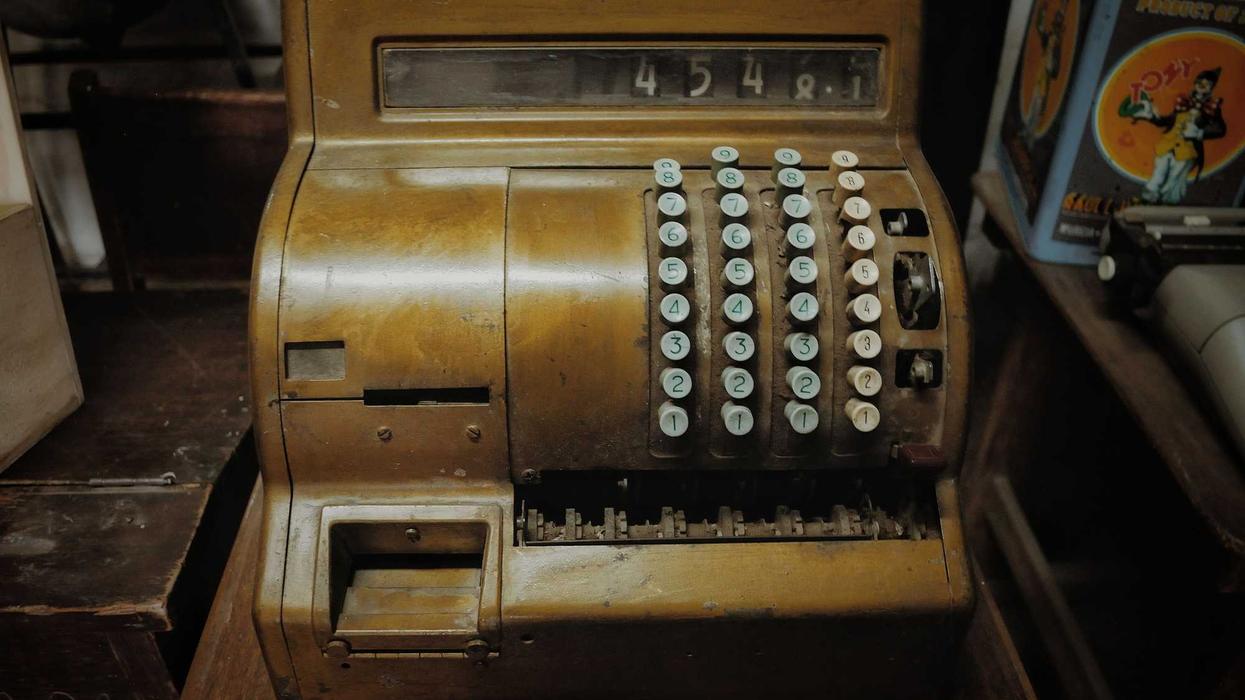

In 2013, Adobe stopped selling its creative software outright. You could no longer own Photoshop; if you wanted to use it (legally, anyway), you had to pay a monthly subscription fee until… forever. Thirteen years later, Adobe's strategy looks like it was a prescient one. From films, music, and software to doorbells, refrigerators, advanced navigation systems, tractors, tools, and heated vehicle seats, modern life is no longer something you own. It’s something you pay to access, indefinitely. Over the course of a decade, user fees replaced physical assets, service by service, and ownership became a thing of the past.
Of course, the subscription model is nothing new, but a subscription used to mean something different. If you subscribed to a magazine, they delivered each issue to you and you owned it. Today’s model sells access, and access can expire. It represents a massive societal shift in how value is created, delivered, and consumed, and how ownership is withheld. It’s no longer just about cost: for a growing list of everyday products, the permanent version of a product no longer exists, no matter how much money you have. There’s increasingly nothing left to own.
For business owners and tech investors, the appeal is obvious: subscriptions create a loyal consumer base of reliant users, generating more stability and predictability than one-off sales. The global software as a service (SaaS) market runs almost entirely on subscription fees, and is projected to reach US$375.57 billion in 2026, on its way to US$1.4 trillion within the decade. Consumers have their own reasons to sign on – lower upfront costs, regular updates, and access to more than most people could ever hope to own. Most of us never owned as many films as our streaming services provide.
Convenience and access, however, come with strings.The tethered software trap
We used to buy something once and own it for years, even if it just collected dust in the corner. Now, you buy the hardware, but you don’t fully control it. Instead, you never stop paying and you never fully gain the asset. Whether it’s a Peloton bike, an Oura Ring, or BMW’s heated seats, access is dependent on a monthly tribute. Otherwise, all those features you loved stay locked until you agree to pay up.
In economic downturns, you can stop buying new things, but you can’t as easily stop paying for your subscription-based infrastructure – anything from career tools like Photoshop to your home security system – without losing access.
“When I unexpectedly lost my job, the first thing I did was open my laptop to update my resume. I then realized that the document was in a ‘reduced functionality mode’ because I didn’t have an active Microsoft 365 account,” says restaurant manager Emily Doyle. “So I could only view the document, not edit it, unless I repurchased the subscription.”
Doyle was able to resolve the situation herself, but not everyone has that option. Software is only part of what Anthony Rosborough, an assistant professor of law and computer science at Dalhousie University, calls a “cocktail of diminishing property rights.” The rest involves terms of service and contracts. “When you put the two together, it creates a ‘network dependency,’” Rosborough says. “The terms of the deal can continually change through an internet dependency of the product ... the deal can just get worse one week."
When you buy a Disney classic on DVD, the price is locked – you paid for it once and now you own it, end of story. With the SaaS model, a vendor can change the price, terms, or feature at any time, like we’ve seen with multiple Disney+ price hikes over the past 18 months. But subscription services have consumers hooked by developing long-term relationships with the user (and their kids) – Netflix, Spotify Premium, and TSN+ also hiked their prices this year. In April, YouTube Premium prices even quietly increased without an announcement beforehand – proving that you’re subject to a provider’s terms when you can’t own the product. According to Statistics Canada, the cost of video and audio subscriptions has increased 21% since 2009.
The subscription cost
Those $15 to $30 monthly fees slowly add up without building any equity. A 2024 survey reveals that the average Canadian has eight recurring subscriptions, despite thinking they only have four. If a household redirected $200 a month from subscriptions into diversified portfolios over 20 years (assuming a 6% annual return compounded monthly), it would grow to $93,070.22 – that’s $44,870.22 in interest alone. A more modest $100 a month could grow to roughly $46,000 in the same period.
“These subscriptions can add up but I don't think it should be just one or the other,” says Sandy Yong, personal finance writer and speaker. “I think it comes down to finding the right balance: keeping high-value subscriptions while also setting aside money for retirement.”
She suggests having part of your investment portfolio pay fixed income or dividends to cover your ongoing lease and subscription payments. “Households should also consider increasing their investment goals to compensate for not owning these physical assets,” Yong says.Death of the secondary market
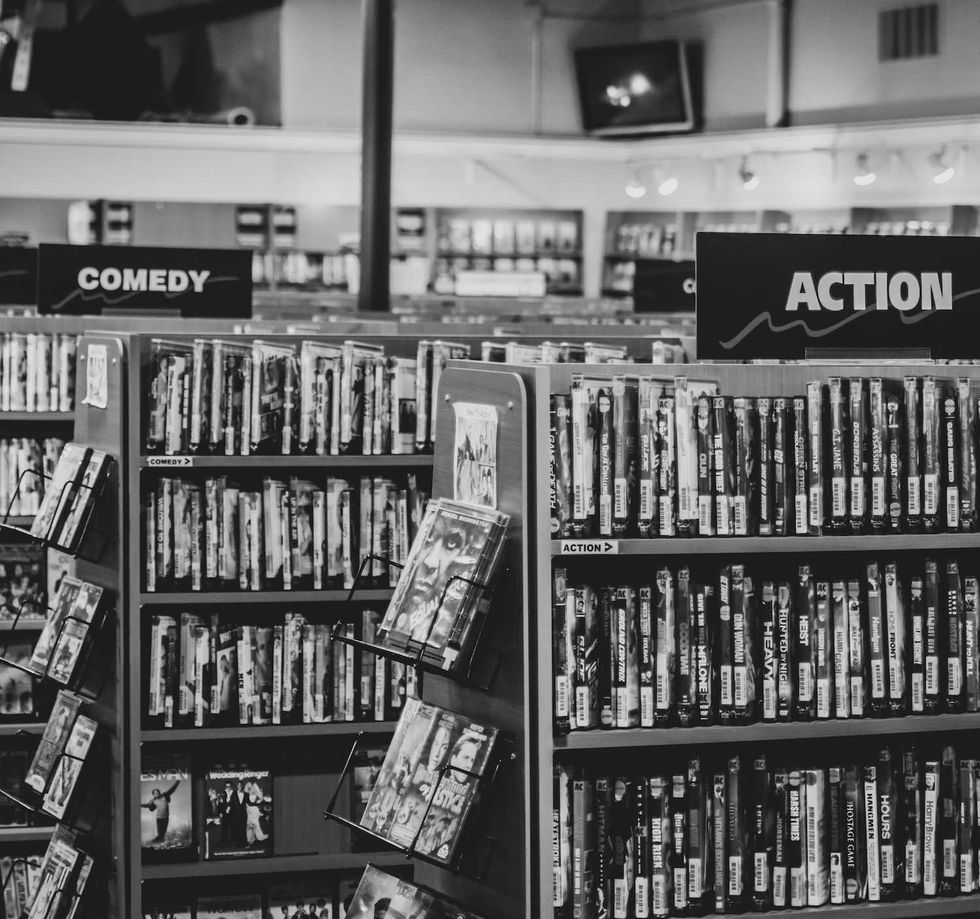
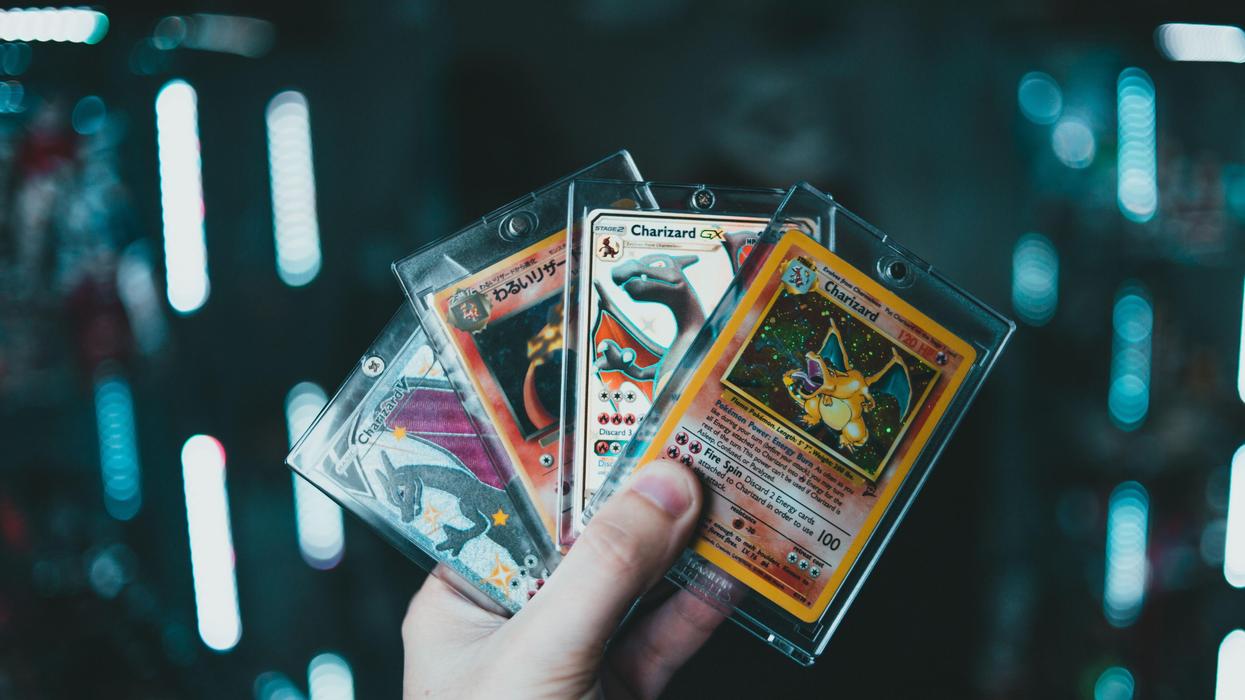
With the subscription model, you're no longer able to resell your movies, music, or other purchases to recoup some of your costs.
Sean Benesh / Unsplash
Resale is a major casualty of the subscription economy. Physical ownership enabled secondary markets, where you could resell used DVDs, books, games, and even software licenses to recover some of what you’d spent. Now, you can’t resell a streaming subscription, transfer your software membership, or pass down the e-books in your library – the economic lifecycle of a product ends the moment you stop paying. Consumption is no longer an investment, but a permanent expense.
This has deeper societal implications. "Property rights have a kind of democratizing force," says Rosborough. "When people can own and control things, they have some degree of command over their destiny. When you take those things away, people move into a relationship of servitude rather than acting as democratic citizens."
The legal grey area
Subscription-based access weakens the rights of traditional ownership – the right to use, resell, lend, or keep an item indefinitely. Now, you’re merely leasing a product under conditions that can change at any time, for no reason. (This shift away from ownership has even sparked a “right-to-repair” movement as users fight against software locks that prevent them from fixing the hardware they technically own.)
But the days needing a private investigator to find the cancel button are dwindling. Quebec’s new Bill 10 now mandates clearly labelled online cancellation buttons, while British Columbia and Ontario are rolling out modernized customer protection acts that require explicit renewal notices.
Still, critics argue that digital licensing has gradually redefined property rights, often without consumers fully realizing what they’re giving up. According to Rosborough, massive, complex contracts allow companies to constantly redefine the deal, creating a legal grey area where it’s unclear if consumer protection laws can even step in. It’s notoriously difficult to prove products are designed with a limited lifespan: companies often mask planned obsolescence behind the technical necessity of software updates or network dependencies. By signing up, we’ve essentially pre-consented to let companies move the goalposts whenever they want.
Nothing left to own
Smart fridges, rear-wheel steering, digital libraries – the list of things we lease rather than own keeps growing, and with it are new questions about digital inheritance, financial stability, and long-term autonomy.
One in three Canadians have cancelled at least one streaming subscription in the last six months, most citing cost of living. Yet despite this fatigue, the market continues to expand. Why? The industry justification is usually efficiency, says Rosborough.
The shift has happened gradually enough that most of us didn’t notice we were consenting to it. Each individual subscription seemed so reasonable, but the result is that we’ve handed over control of the infrastructure of our own lives, one click at a time. Efficient or not, it’s about whether we accept a future where we are paying guests in our own lives.