
In the past two years alone, Linda Andross has spent more than $3,000 on theatre tickets. She skips reading the reviews on purpose, doing her best to avoid spoilers. The 58-year-old from Toronto sees everything – musicals, comedies, heavier dramas. Before the curtain raises, she settles into her seat, making a habit of chatting with the strangers seated around her, asking them what other shows they’ve seen and loved. Following those recommendations eats into her budget, and she’s had to cut back on other splurges, like new clothes. But for Andross, it’s all worth it. Every curtain call is money well spent, no matter how much money that may be.
Such willingness to splurge may seem out of place in 2026, when everything is far more expensive than it should be and it feels like everybody's broke. Since 2019, Canadians have felt a tangible rise in the cost of living: rents and groceries prices have spiked 30% (among plenty of other things); and new-hire wages are still lagging 2.5% behind where they sat five years ago, yet everything costs about 20% more than before the pandemic. That sounds like the kind of environment that would make people reconsider a night out, but demand for entertainment has proved surprisingly inelastic. Spending on live entertainment in Canada hit $13.8 billion in 2024, up 9.3% YoY and the fourth straight year of growth. Canadians aren't having more fun than they did before 2020 – rather, even as going out gets more and more expensive, they're refusing to compromise on fun. Canadians may be broke, but they’re dead set on having the time of their lives.
Make no mistake, ticket prices have risen. After the Covid lockdowns were lifted, artists and their fans alike were desperate to get back into stadiums. Everyone went on tour all at once, and venues responded by jacking their prices, pushing up ticket prices across the board. Meanwhile, operating costs in spectator sports rose over 15% in 2023. And yet, Canadians still spend just as much on entertainment as they did before the pandemic (around $200 per year) when prices started to spiral out of control. People are still budgeting for great nights out, even if the same amount of money buys them less and less.
Joy, as it turns out, is not a discretionary expense. After all, what are people supposed to do, save for a house? The average home costs about $700k, and prices are often more than twice that in urban areas. Few people who hit “buy” on Ticketmaster are thinking about their FHSA. When no amount of cash will add up to a down payment, spending on memories is a no brainer.
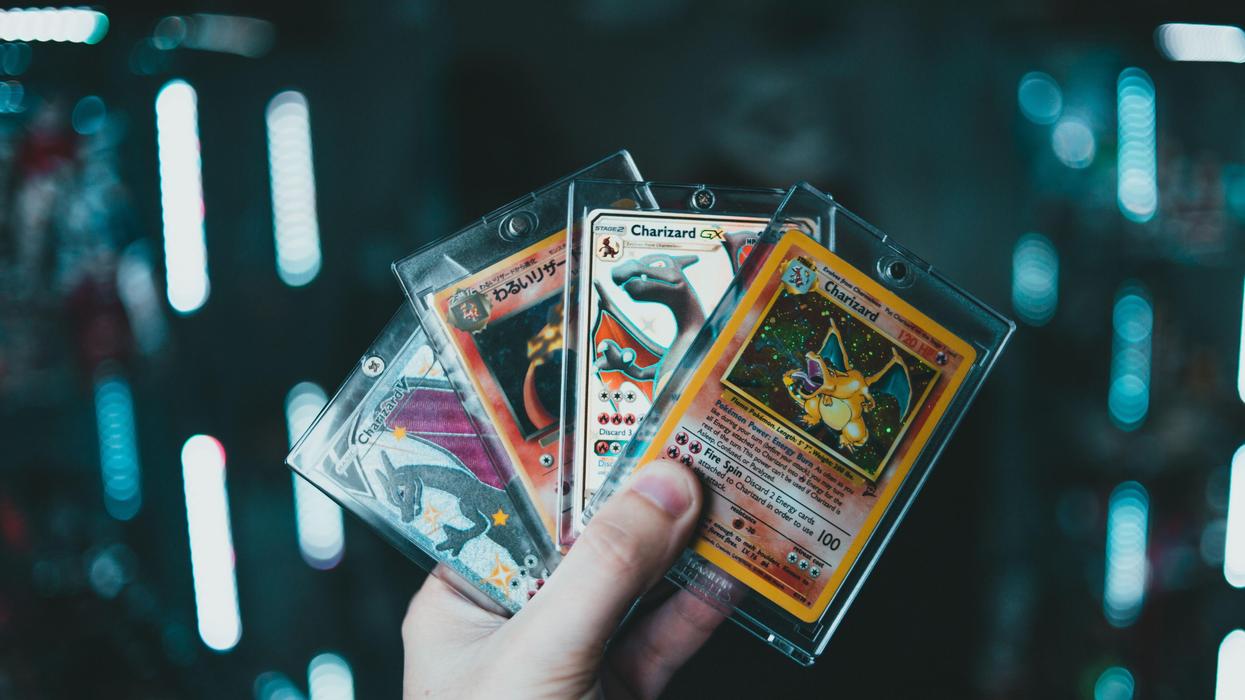
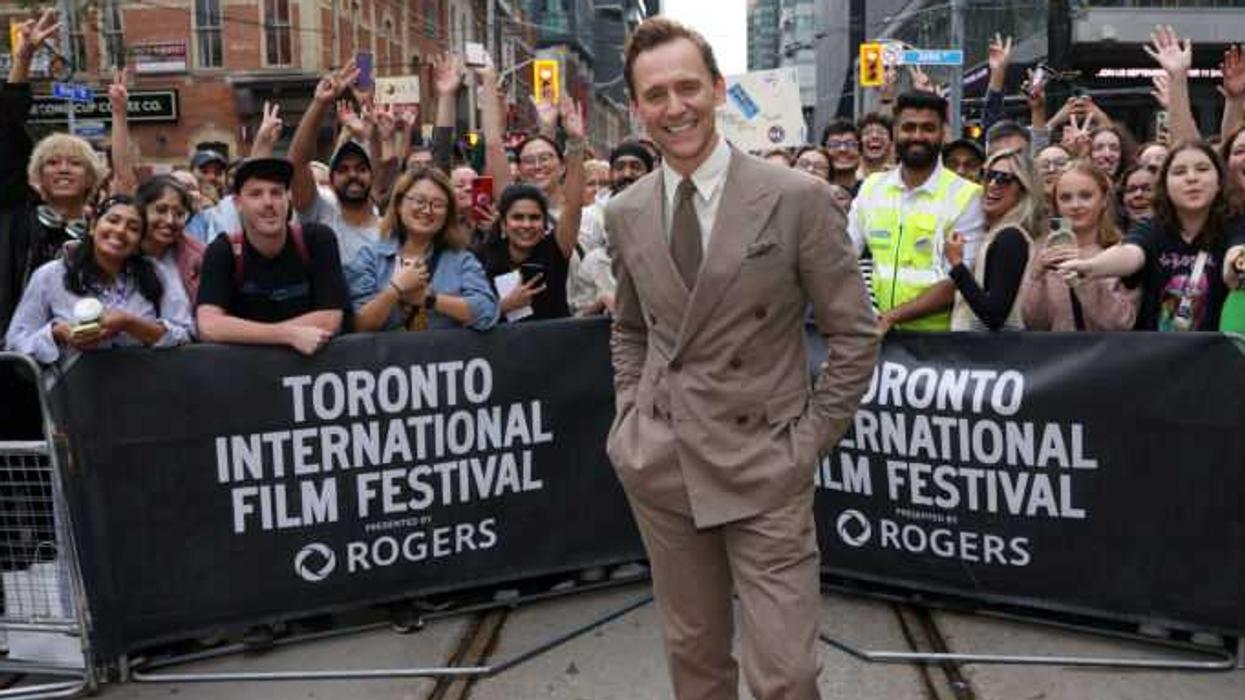
When Canadians get tickets to NHL games, the National Ballet, or, yes, the Eras Tour, they’re investing in far more than the experience itself, which only lasts a few hours. It can play a far more crucial role as an antidote to FOMO, a dose of social status, or an impressive first date. "Fandom is probably bigger than it's ever been in history," says John Karastamatis, director of communications and programming at Toronto's Mirvish Productions. "What we call pop culture is the new mythology, is the new religion." He’s not exaggerating. Gathering for stories and spectacles is a core part of being a human in society. The modern concert is not so different from a medieval mass, or a Roman trip to the colosseum. The venues may have changed, but the instinct to gather hasn’t gone anywhere.
“People are hungry for the experience of ‘live’,” agrees Annabelle Cloutier, CEO of the National Arts Centre in Ottawa. “Audiences want to gather again, to be in a hall with people, and to have that unique, communal experience of live performance.”
Fernando Arenas Rivera, a 32-year-old metal fan in Calgary, is more than willing to pay for a live experience that simply can’t be replicated at home. "You're singing the same lyrics at the same time as the singer, you're jumping around with people who enjoy the music as much as you do," he says. "Just the feeling of being there, of hearing that live – that's what makes it worth it to me."
It's the same desire that drew Rivera into his first opera this year, a genre he'd never sought out before. "I wanted to go to the opera to just experience it," he says, unconcerned with getting his money's worth. Be it Mozart or a mosh pit, "Let's enjoy it, because we don't know when we’ll be able to see this again."
Of course, there’s also the people who spend the whole show with their phone in the air. As author Seth Godin writes in his essay, People like us (do things like this), spending on tickets can be about investing in the identity we want to show others. Splurging on seats is a no-brainer to someone who wants to prove they’re the kind of person who belongs in the front row for Taylor Swift. Performative fans may not be noble as the people going for the experience itself, but their tickets count just as much as the next person’s.
Those people are more likely to throw about a year’s worth of spending into one big event, and they'll make sure social media knows they were there. They’re different from the regular theatre- and concert-goers: while regulars shell out smaller amounts for a kind of ongoing identity maintenance, the one-big-event-goers are buying a tale to tell and a story to post. What both groups share, however, is the belief that a life without entertainment and joy isn’t worth living. After all, neither group will ever afford a house.
Hell, they might not even be able to afford the tickets, for that matter. Just like they might for anything else they consider essential, people will even go into debt for a good time. Consumer credit platform Klarna first expanded into Canada in early 2022, and it now has over 2 million active users across the country. Buyers on payment plans tend to be more likely to add VIP upgrades, parking, or merch to their order – without the upfront sting of a full ticket price, some people see less standing between them and an experience they'll remember forever.
That’s not to say they can afford any of that – if they could, there’d be no need for financing. But faced with the option to get the absolute most out of an experience, the Klarna users are going for it, even if it’ll cost them in the long run. Sure, they’ll never have a mortgage. But they might have a great night out.