
Miranda Priestly has never needed a sequel, and yet here we are. The Devil Wears Prada 2 hits theatres this week, and if the trailers are any indication, the editor-in-chief of Runway magazine is still terrifying, still impeccably dressed, and still the only person who can make "that's all" sound like a threat. And she's still – presumably – very well paid.
So how much does Miranda's job actually pay, and how much does it cost to keep? The fantasy has always been about proximity to beauty, taste, and power, but the reality looks a lot more like a balance sheet.
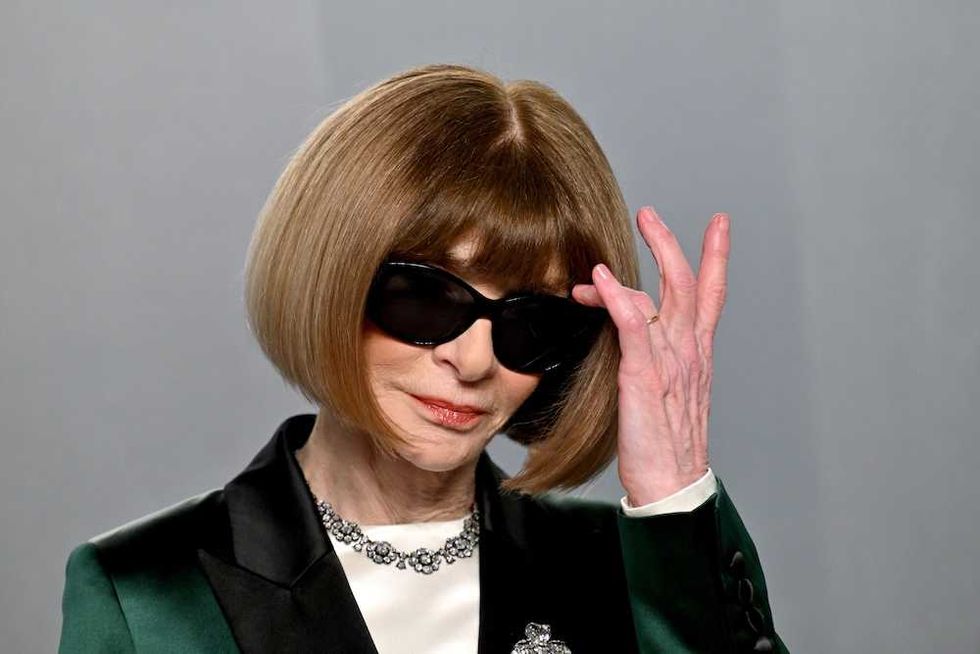
Anna Wintour once commanded between US$2 million and US$4 million annually at Vogue.
Lionel Hahn / Getty Images
Anna Wintour is, by most accounts, the real-world Miranda Priestly – the longtime editor-in-chief of Vogue is the acknowledged inspiration for the character, and the closest proxy we have for what that job actually pays. At her peak, Wintour reportedly earned between US$2 million and US$4 million annually during her 37-year tenure at the magazine, not to mention a US$200,000 clothing allowance, a private car and driver, among a number of other perks. While the actual level of her net worth is little more than an educated guess, it's been estimated to be between US$30 million and US$50 million.
Yes, that's a huge amount of money – on paper, that salary basically justifies the terrifying, imperious energy Miranda perfected back in 2005 when the OG movie came out.
But compared to Wintour's cultural footprint, it's also surprisingly small. Thirty-seven years as the arbiter of global taste, and the salary is something a mid-level tech executive could earn in a single year. Has the job always been more about power and prestige than actual profit?
Now, to be fair to Wintour, her Condé Nast salary is far from her only source of income. There's the speaking and appearances circuit (a single Wintour appearance can command upwards of US$100,000 according to one booking agency), plus investments, iconic collections, a closet Carrie Bradshaw could only dream of, real estate holdings easily worth tens of millions, and decades' worth of relationships with the people who run the world.
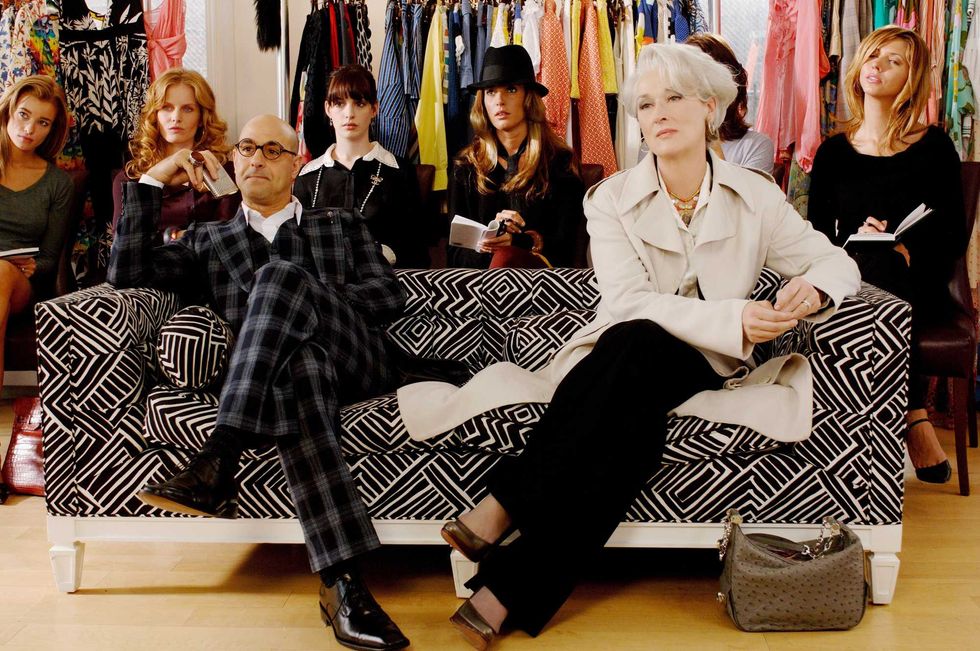
Early mornings, back-to-back meetings, international travel, fashion weeks, gala – and little room for anything else.
20th Century Studios
But if we check "cultural legend" at the door and just look at "being Anna Wintour" as a job, we have to account for the costs, and it's not all monetary. Wintour's daily routine – early mornings, back-to-back meetings, international travel, fashion weeks, galas, and the unspoken requirement to never visibly switch off – doesn't leave much room for anything else.
And time isn’t the only thing this role demands. There’s also the personal and brand maintenance. The hair, the clothes, the attitude – nothing is accidental and nothing turns off at 5 p.m. If she isn’t attending a fabulous event, she’s likely working on the magazine, even during her supposed “free” time.
“It’s super important to me to get everything done at night so I can keep on top of the work and nobody is waiting for my feedback,” Wintour told CNBC in 2019 about her daily editor duties.
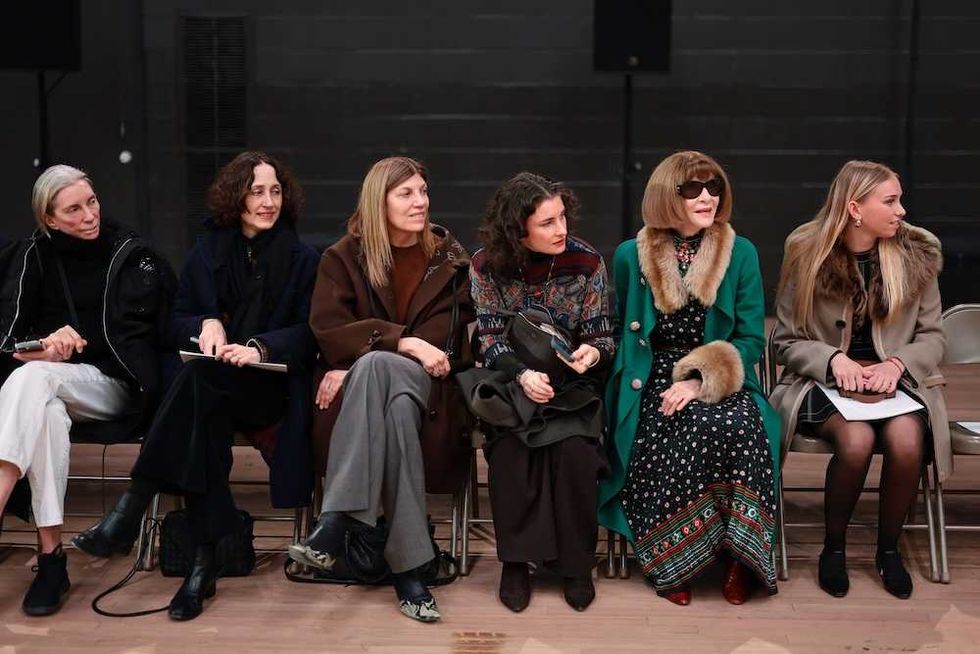
Wintour's job is never really done – there's always another fashion show to attend.
Dimitrios Kambouris / Getty Images
But whether she’s running a tight ship in New York or jetsetting to her latest social call or event, it takes a whole team of people to make sure she maintains her look and reputation. She has at least one dedicated hair stylist who is with her every morning to style and maintain her iconic bob and others are needed for any stray wisps that need to be coiffed during the day and evening. Same goes for makeup and clothes, with company-supplied artists and stylists for all of her Vogue shoots and another small army for events that changes depending on where in the world Wintour is at any given time. While much of her styling costs are handled by her employer, having that many people at your beck and call to make sure you’re camera-ready at all times doesn’t come cheap (and it also means alone time is at a premium). Parade estimates Wintour’s clothing allowance alone is equal to the salaries of roughly four Conde Nast assistants.
Then there are the social obligations – and not just the Met Gala, which Wintour has chaired for over three decades and which has raised more than US$223.5 million under her tenure. The appearances, the front rows, the dinners that are never just dinners. And none of this accounts for any of her personal or domestic costs – raising two children, two marriages and divorces, upkeep costs on her extensive properties – the list goes on. It‘s hard to keep up with the Joneses when you’re part of the reason people care about keeping up with them in the first place. At a certain point, her role stops looking like a high-paying dream job and more like a 24/7 lifestyle and performance with unyielding, couture-level expectations.
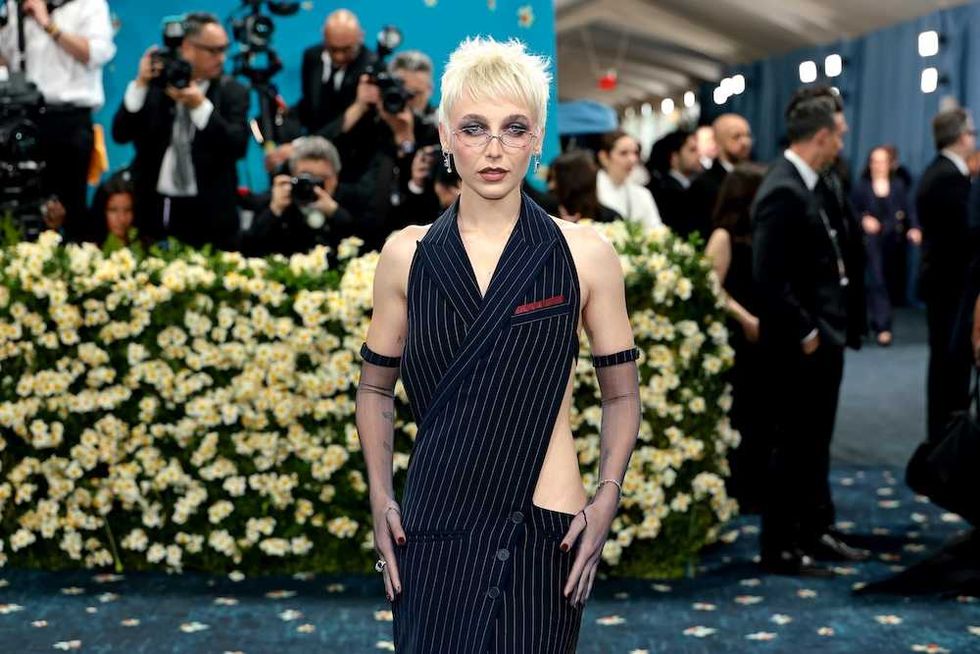
Emma Chamberlain went from YouTube to the Met Gala.
Dimitrios Kambouris / Getty Images
The cost of the job, structured the way it has always been, was never really the prize it looked like – especially now that influence can be built and monetized very differently. Someone like veteran YouTuber Emma Chamberlain once only attended the fashion shows that high-powered editors controlled access to, but she's now part of the ecosystem those shows are built around. She sits front row at Louis Vuitton and Miu Miu, hosts the Met Gala red carpet, and unlike Wintour, participates directly in the financial upside: through partnerships, her own coffee company with a flagship store opening in Venice, a furniture line, and brand deals that reward not just taste, but attention. Where we see Miranda Priestly filter her power through the pages of a magazine, Chamberlain experiences them in real time and distributes them online instantly to millions.
She also built her following herself – a notable contrast to both Wintour, who came from publishing royalty, and Wintour's successor, Chloe Malle.
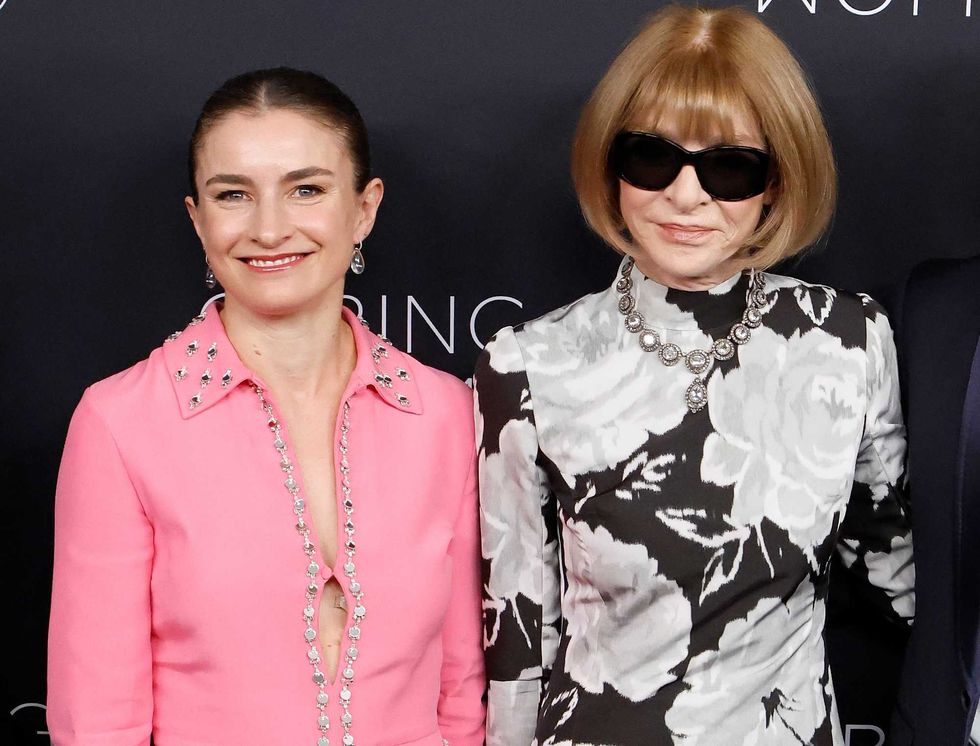
Chloe Malle (left) succeeded Wintour (right) as the editor-in-chief of Vogue and is the daughter of Candice Bergen.
Taylor Hill / Getty Images
Malle is the daughter of Candice Bergen and film director Louis Malle – and Bergen, as it happens, played Enid Wexler, the prickly Vogue editor on Sex and the City who was basically Miranda Priestly before Miranda Priestly existed. The term "nepo baby" is thrown around a lot these days, but in this case – well, if the Manolo fits…
The idea of a single publication dictating taste feels increasingly outdated in an era where trends are born on TikTok, not in editorial meetings. Where the front row used to be Wintour's to assign, it's now largely decided by follower counts and engagement rates.
But perhaps a nepo baby background is needed to truly take advantage of the Miranda Priestly-type job, because it was never really about the money. What it offers is something different and harder to quantify: authority, legitimacy, and a particular kind of cultural permanence. It’s the kind of compensation that tends to appeal most to people who don't need the paycheque in the first place.
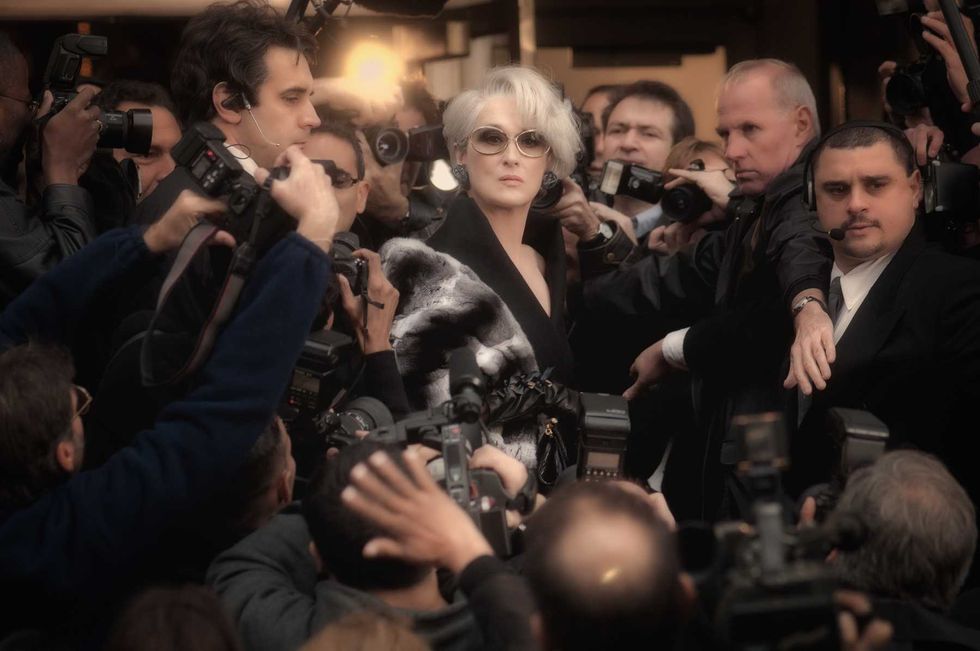
The job was always more about cultural legacy.
20th Century Studios