
When The Life of Chuck premiered at the Toronto International Film Festival (TIFF) in 2024, it certainly didn't seem like a shoo-in to win the People's Choice Award, the festival's top top honour and one of the most prestigious nods a film can receive.
Sure, Mike Flanagan's sentimental fantasy was adapted from a Stephen King novella and boasted Tom Hiddleston in the title role, but it arrived at TIFF without a US distributor in tow and with considerably less fanfare than some other titles that same year. I know this firsthand: working for a genre-focused publication at the time, major red-carpet access was never guaranteed, but The Life of Chuck proved relatively easy to cover compared with similar high-demand premieres that year like Nightbitch or Ron Howard's Eden.
Things started to shift, though, when King himself made a surprise appearance on the red carpet that day. When I had the chance to actually ask the famous author about Flanagan, he praised the filmmaker as "a real craftsman." By the festival's first weekend, buyers were already circling the film. On Sept. 15, to the surprise of some industry commentators, Chuck took the People's Choice Award over runners-up Emilia Pérez and Anora. And just 11 days later, Neon announced it had acquired North American rights to Chuck for an undisclosed sum.
This all raises an important question: What is the People's Choice Award actually worth?
In terms of awards recognition and industry authority, it's no secret that numerous previous winners of TIFF's top prize would later go on to take home the Academy Award for Best Picture, including but not limited to American Beauty, Slumdog Millionaire, The King's Speech, 12 Years a Slave, Green Book, and most recently, Nomadland in 2021. But awards season prestige and box office returns aren't the same thing. If we’re talking cold, hard cash, things get a lot less predictable.
Green Book, TIFF’s 2018 winner, earned a reported US$322 million worldwide against a modest US$23 million budget, making the polarizing drama a certified moneymaker. Fast-forward just four years, though, and The Fabelmans tells a very different tale. The People's Choice winner from New Hollywood daddy Steven Spielberg struggled to recoup its production budget, earning just $45.6 million worldwide. It still earned a Best Picture nomination at the Oscars, but didn’t actually forge much gold of its own.
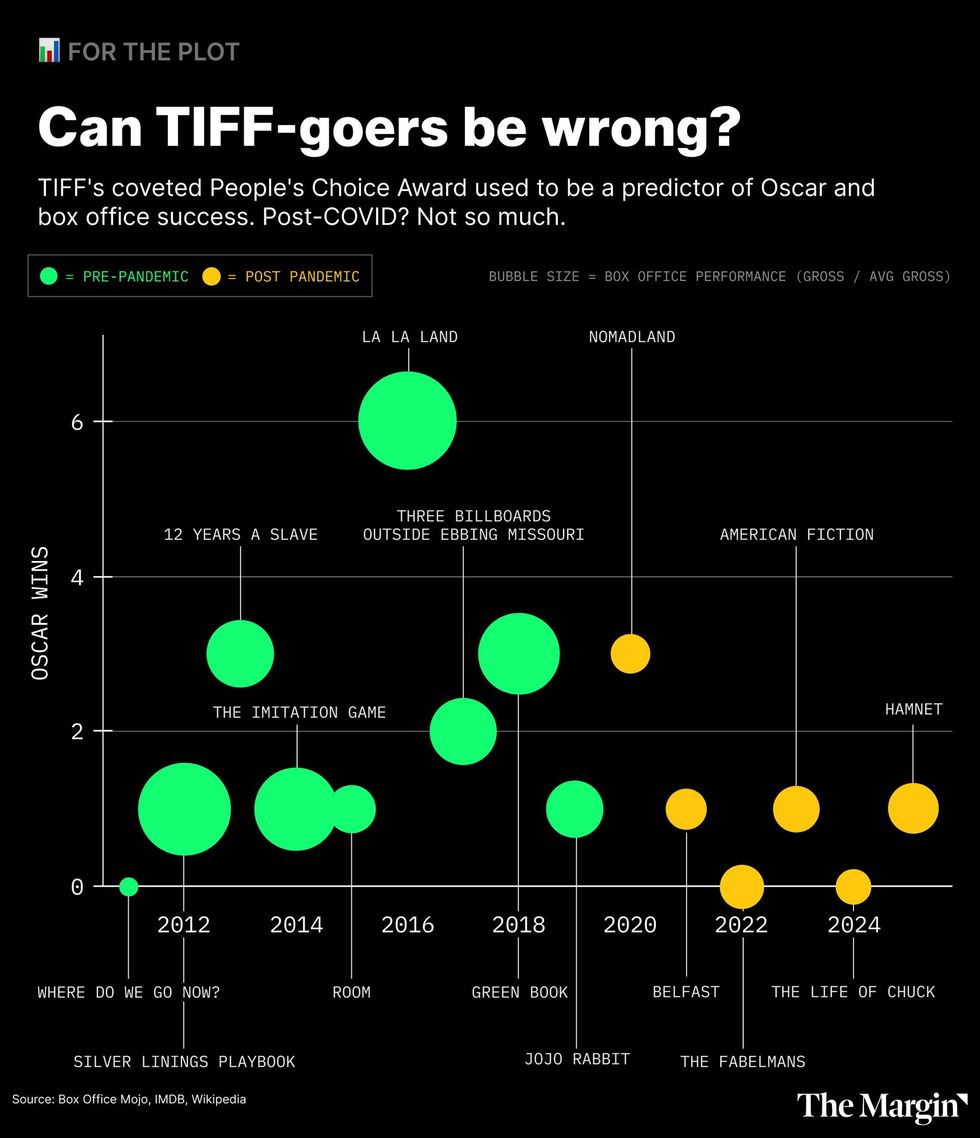
A PCA doesn't guarantee box office success, especially since the pandemic.
The Margin Staff
In its wide release, The Life of Chuck also didn’t earn a multitude of returns, ranking ninth at the North American box office when Neon expanded it wide nine months after its big TIFF debut, and earning a reported US$21.4 million worldwide when all was said and done. Last year’s PCA winner, Hamnet, grossed a healthy $109 million worldwide, but even that was arguably somewhat modest for a modern TIFF top-tier baby. While the award holds value in the race toward industry authority, it may not be the same kind of cash magnet at the box office.
If box office glory is not the clear answer, I reached out to two industry veterans who understand the film market to get to the bottom of what the PCA could be worth. First, an American executive who has bought and sold films through his own studio for two decades, and then a Canadian producer who's spent much of his career getting movies into the marketplace. Both men, independently, arrived at a surprisingly similar ballpark: In their experience, major festival recognition can mean roughly 50% more spending or financial commitment behind a film that it would have received without the win.

'Turbo Kid' got a bigger marketing push after it won the Midnighters Audience Award at SXSW.
Epic Pictures
Patrick Ewald, CEO of Epic Pictures, has spent nearly two decades at the company financing, producing, and distributing films. Epic notably released the first movie in the popular Terrifier franchise, and more recently, The Mortuary Assistant, which saw theatrical success this past year.
Pulling from personal experience, Ewald points to Turbo Kid, a 2015 Canadian genre film released by Epic Pictures that initially presented him and his team with something of a challenge. While they were excited about the movie, they weren't exactly sure who its audience would be or how to sell it. The cult dystopian superhero indie premiered at Sundance, but its future really began to take shape when it won the Midnighters Audience Award at SXSW.
"[If] people are responding to it, there's an audience. All goes into the recipe for a budget."
Epic was already financially committed to the movie, but Ewald says it wasn't until that SXSW win that he and his team shifted how aggressively they were prepared to back its release.
"It probably added a good 40-50% in terms of our spend," he says of the award, buzz, and festival-crowd excitement. So if "people are responding to it, there's an audience. All goes into the recipe for a budget."
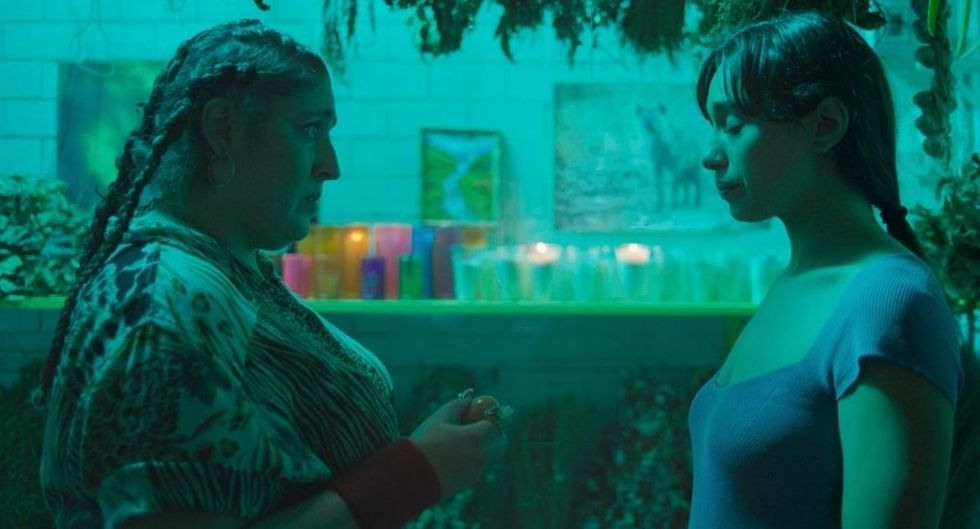
'Huesera: The Bone Woman' took home awards for Best New Narrative Director and the Nora Ephron Award at the Tribeca Film Festival in 2022.
XYZ Films
Edmonton-based film producer David Bond saw something similar happen to Huesera: The Bone Woman, Michelle Garza Cervera's feature debut and a critically acclaimed body horror about motherhood and the weight of domestic expectation, which Bond executive-produced.
Huesera screened at the Tribeca Film Festival in 2022, where Cervera won both Best New Narrative Director and the Nora Ephron Award. Like when Turbo Kid took home its prize at SXSW, her achievements at Tribeca effectively changed the film's trajectory and how it would be seen.
"It was only when it won Tribeca that the film really changed," Bond says.
The finished movie, of course, hadn't changed, but its position in the market certainly had. XYZ Films, which had acquired North American rights before Tribeca, ultimately released it theatrically the following year. That was followed by a VOD release and, later, a streaming drop via Shudder, the horror-focused streaming service.
"Once we won those awards, the question became, what can we become?"
"Once we won those awards, the question became, what can we become?" Bond says. "And once we knew what we could become, then our strategy changed." In an imperfect ballpark estimate, Bond put the increase in what companies were prepared to commit to Huesera at roughly "50%, if not more."
"The argument isn't that it adds a million dollars, because that's not the conversation," Bond says; rather, "It gives the buyers evidence that the audience responds and it makes the film harder to ignore."
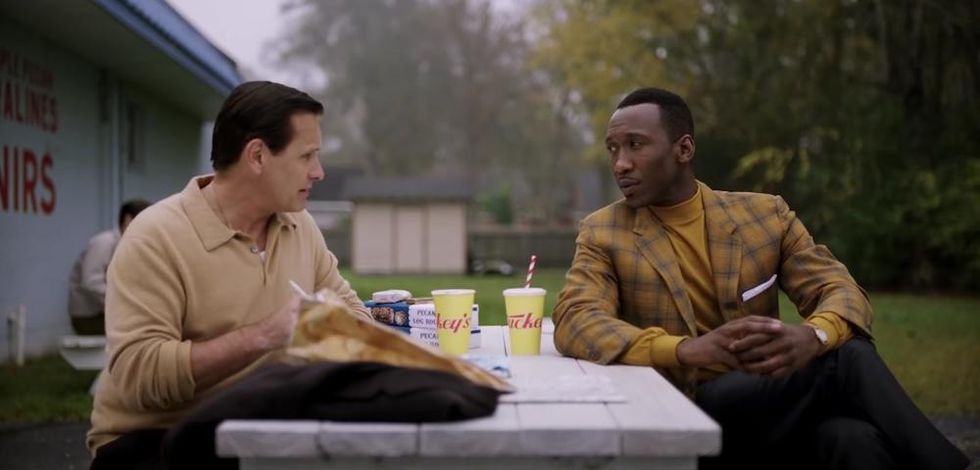
The PCA win for 'Green Book' eventually helped it win the Oscar for Best Picture.
Universal Pictures
It's easiest to understand what that backing can look like once a movie is actually in release. Universal expanded Green Book to roughly 1,000 domestic theatres in November 2018, then cut that number nearly in half just before the Oscar nominations. After the film landed five noms, the studio reversed course and pushed it out to more than 2,600 locations. Its backers also reportedly spent another US$1.4 million on national television advertising after the nominations. By mid-February, Green Book had earned US$127.1 million worldwide, and about US$82 million of that came after the nominations.
Obviously, we can't credit TIFF's People's Choice Award alone for all of Green Book's success – reviews, word of mouth, and a full awards campaign all played major roles, too – but it shows what more money behind a film can actually buy, and how that can translate into ticket sales and statuette success.
TIFF itself can affect that even before awards buzz even starts, something Ewald learned when Epic brought the Irish sci-fi thriller Sea Fever to the festival in 2019. Simply being part of the lineup at all generated several domestic distribution offers, and while Epic can distribute its own films, they opted to sell that time around.
"There was a small bidding war as a result of it," he tells me of Sea Fever.
That experience also matters to a case like The Life of Chuck. TIFF exposure can already attract more buyers to a movie. The People's Choice Award then adds an extra layer of credibility, similar to what Ewald saw with Turbo Kid: Audiences didn't just like the film; they chose it over everything else at the festival.
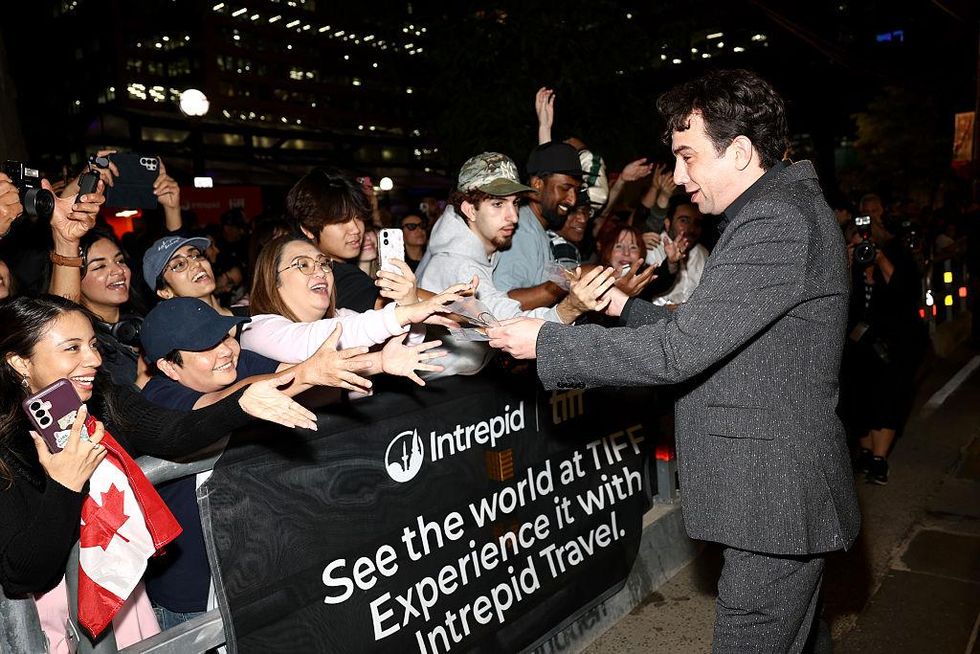
Jay Baruchel greets fans at the premiere of 'The Stunt Driver' at the 2026 festival.
Getty Images
None of this really puts a predictable price tag on what the PCA is actually worth, but that doesn't mean we haven't reached an informed third act. Ewald and Bond's experiences indicate that major festival recognition can substantially change how much support companies are willing to put behind a film's release, affecting how many people actually see the movie. With Green Book, it got more advertising and a wider reach. But The Fabelmans and our pal Chuck are evidence that more confidence and more opportunity still don't guarantee a hit or an Oscar win.
If the big cheque were never attached to TIFF's People's Choice Award, literally or figuratively, the prize's prestige would still impact a film's chances of reaching bigger audiences. And maybe that's actually the best value a film and its makers can receive: better odds that their film will find its audience, even if that's not a guarantee money can buy.