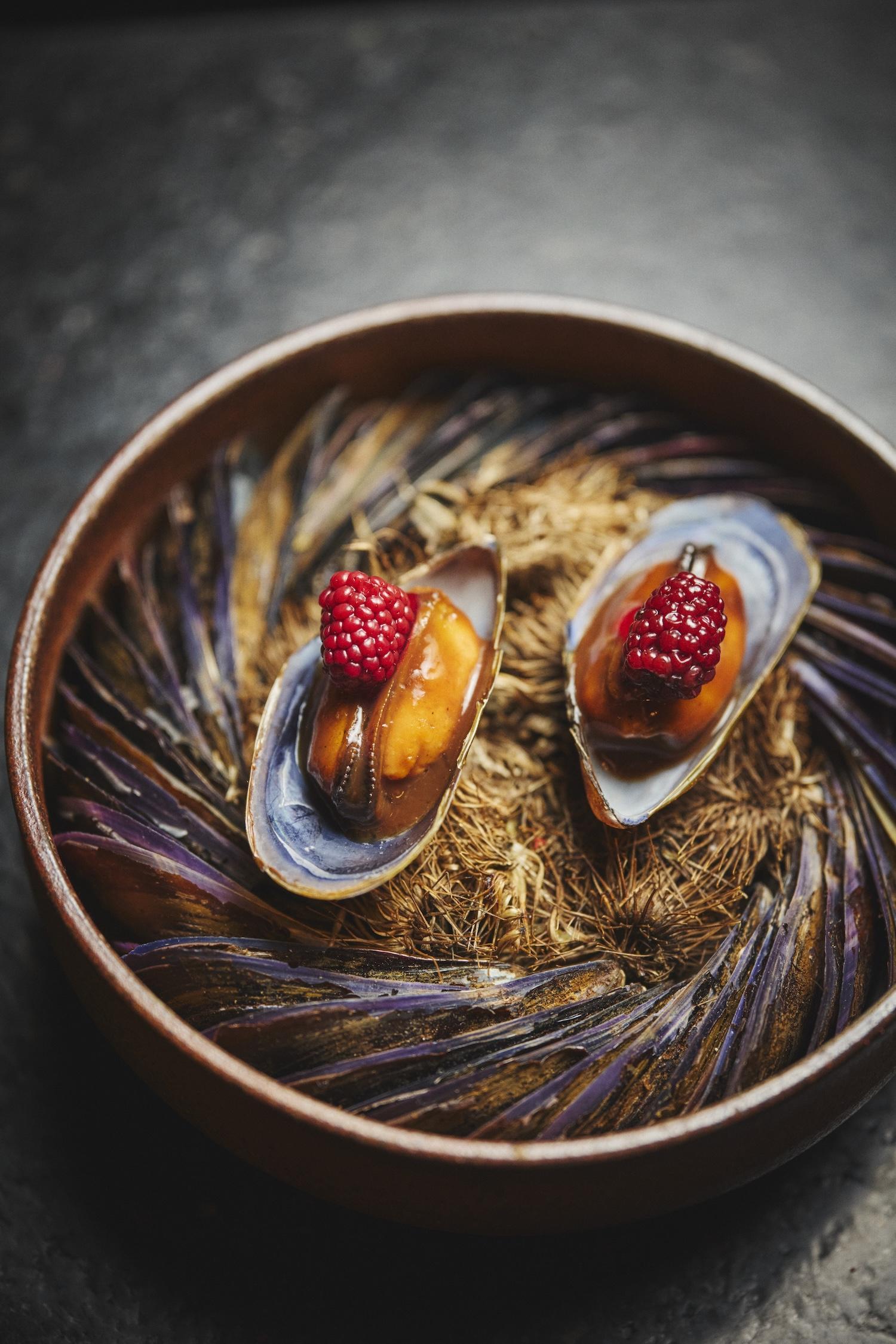
In theory, Tanière³ could serve more than 60 diners a night. Since earning two Michelin stars in 2025, the Quebec City restaurant has sold out every service and remained solidly booked four to five months in advance. Yet co-owner and restaurant director Roxan Bourdelais has no intention of trying to squeeze in more guests each day. The same stars driving that demand are the ones keeping his dining room small.
Michelin stars are awarded annually by anonymous inspectors, and are widely regarded as one of the restaurant industry’s highest honours. First developed by the French tire company Michelin in the 1920s, as a way to help drivers plan their trips (and therefore boost tire sales), the rating system has since taken on global significance. When Michelin launched its first Canadian guide in Toronto in 2022, it gave restaurants in the region a chance to earn widespread recognition, and offered diners a familiar way to identify meals worth splurging on.
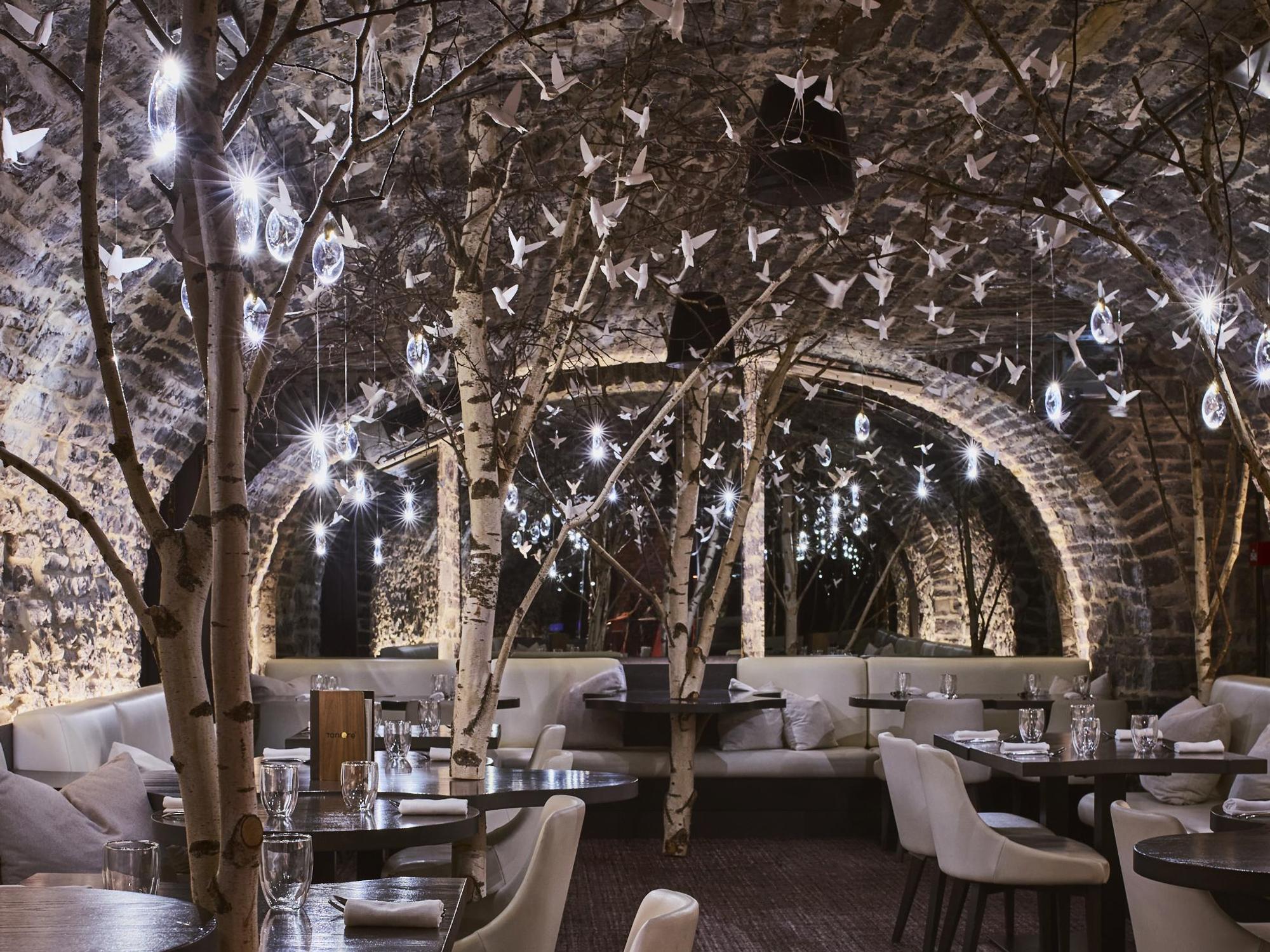
Receiving a Michelin star crashed Tanière³'s website.
Audrey-Eve Beauchamp
For restaurants, however, a star is more than a pat on the back. It can fill seats during previously quiet services, support higher menu prices, and encourage diners to spend more once they arrive. But that additional business can also be expensive to deliver, requiring a bigger team and often greater spending on ingredients. Those extra costs claim a share of the revenue gains, making the economics of a star less straightforward than they might appear.
The effect on demand at Tanière³ was immediate. When Michelin released its inaugural Quebec guide, says Bourdelais, the restaurant’s reservation website “pretty much crashed.” Over the following week, the restaurant received as many reservations as it would typically have booked over four months. Before Michelin, Fridays and Saturdays routinely sold out, but Thursdays and Sundays could remain unfilled during the quieter months of November, January, March and April. “Since Michelin, even in those lower months, we’re booked out several months in advance,” Bourdelais says.
Increased demand posed a problem. Serving more diners would increase the risk of mistakes and make it harder to maintain the standards Michelin recognized, Bourdelais says. Instead, Tanière³ protects the quality of each service by limiting capacity and employing 30 people to serve roughly twice that number of diners.
Tanière³’s predictable bookings have made purchasing and inventory easier to anticipate than when reservation volumes fluctuated. Its locally driven menu has always emphasized ingredients sourced directly from Quebec farmers and foragers, plus whole animals that are used from head to toe. With a reliable flow of diners, the restaurant can now commit to purchases months ahead, giving the restaurant more buying power and allowing its suppliers to plan production with greater certainty.
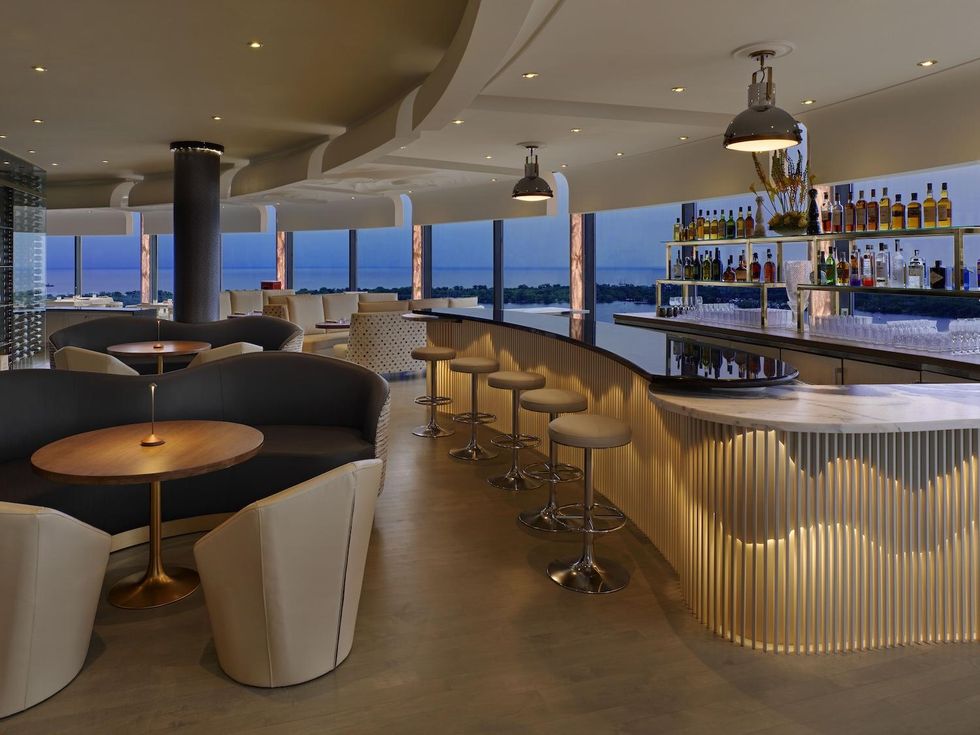
Italy's Don Alfonso 1890 restaurant was brought to Toronto to create a Michelin-worthy experience.
Liberty Entertainment Group
In Toronto, Liberty Entertainment Group was betting on Michelin’s ability to fill tables before the guide had even officially arrived. The company already ran several luxury dining establishments around the city. Nick Di Donato, the company’s president and CEO, says that when the group heard rumours that Michelin was coming, they set out to find a partner that understood what it would take to create a star-worthy restaurant.
Liberty ultimately teamed up with Don Alfonso 1890, a restaurant in southern Italy that currently holds two Michelin stars, and brought its modern Mediterranean concept to Toronto. When Michelin published its inaugural Toronto selection in 2022, Don Alfonso was among the first Canadian restaurants to receive a star. “When we first started at Don Alfonso, we were doing well, but as soon as we got our star, I think our reservations doubled,” Di Donato says. “We were consistently sold out a month in advance.”
Although he says that initial rush has cooled over the four years since, Don Alfonso still typically sells out on Fridays and Saturdays. Di Donato estimates that international visitors account for approximately 25% of its customers, an unusually large share that he attributes to travellers using Michelin as a trusted dining guide.
"We were doing well, but as soon as we got our [Michelin] star, our reservations doubled."
Remaining Michelin worthy, however, has come with its own costs. A conventional restaurant with 100 seats might have eight to 10 kitchen staff; Don Alfonso has roughly 20. Its servers handle about three tables each, compared with six at some other restaurants. Those extra employees create the experience that justifies the star, but the additional wages also absorb a substantial portion of the profit it generates.
Di Donato adds that Don Alfonso cannot significantly reduce its staffing, even on a slower night. Michelin stars can be taken away, and because inspectors visit anonymously, the restaurant must be ready to meet Michelin’s standards during every service. “It's kind of ‘watch what you wish for’ because once you achieve a Michelin star, the standards must be maintained,” Di Donato says. “It's not like you have your Michelin star, and now you can rest on your laurels and just try to make more money and do less.”
It’s not just the inspections that keep star-holding restaurateurs on their toes. Kelly Higginson, president and CEO of Restaurants Canada, says diners, too, are less willing to grant Michelin restaurants room for mistakes. “When you are at the Michelin level, you're not given that margin of error or flexibility by the guest,” she says.
“It's kind of ‘watch what you wish for’ because once you achieve a Michelin star, the standards must be maintained."
Picky as they may be, however, Michelin diners are willing to pay for the experience. Don Alfonso raised prices by approximately 20% after receiving its star, while its average cheque increased by 10%–20%. Without Michelin, Di Donato estimates that the expected price range for an Italian restaurant might land closer to $80 to $100. With the star, however, customers will fork over $180–$200 each. “The fact that you're a Michelin restaurant allows you to have a certain price range,” he says.
Don Alfonso used the price increase to improve ingredients and the overall experience. It introduced a caviar program, and now offers two tiers of wine pairings: a $120 classic as well as several $200 premium options. The classic pairings largely feature recent vintages from Italy and Ontario, while the higher-priced choices showcase older bottles from prestigious French and Italian regions, such as a 2017 red Burgundy, a 2012 Barolo and a 2014 premier cru Chablis. Many customers visit Don Alfonso for birthdays, anniversaries or engagements, which makes them more inclined to spend on extravagant extras, Di Donato says.
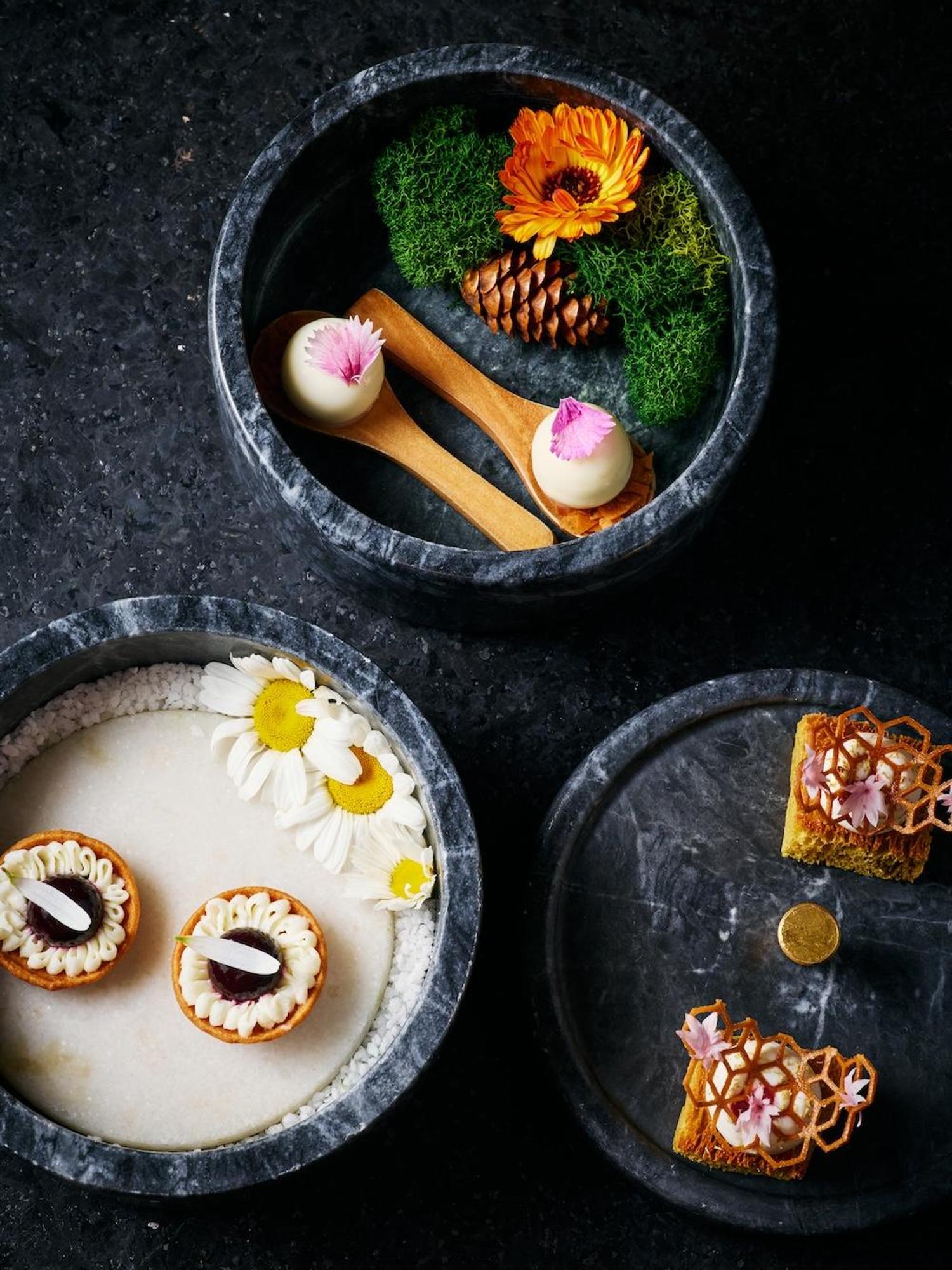
Tanière³ wants to stay accessible to its Quebec clientele.
Audrey-Eve Beauchamp
Tanière³, however, has taken a different approach to pricing. Bourdelais says the restaurant has avoided a substantial increase because it wants to remain accessible to Quebec diners. The vast majority of its customers live within the province, and dinner remains a celebration-level purchase for many of them.
But Michelin has encouraged some diners to spend considerably more, he says. Alongside wine pairings priced at $120 and $230, Tanière³ introduced a ‘divine’ pairing after receiving its stars that costs an additional $1,000 per person and features rare wines and older vintages. “People are coming into the restaurant with that mindset that, ‘I want to do the whole thing. I want to be all in,’” Bourdelais says. “We sell a few a week so, at the end of the year, it makes a big difference.” Together, fuller services and higher-priced additions increased revenue at Tanière³ by approximately 25% in 2025, followed by another 10%–15% from 2025 to 2026.
Of course, the ability to buy $1,000 wine pairings does not reflect how most diners are spending at the moment: a recent Restaurants Canada survey found that eight in ten Canadians are eating out less due to the rising cost of living. But the economic pressure on Canadian households has not been evenly distributed. Statistics Canada reports that the income gap widened in 2025, with the wealthiest 20% of households holding nearly two-thirds of the country’s net worth. That K-shaped economy offers high-end restaurants some protection from weaker consumer spending.
“People are coming into the restaurant with that mindset that, ‘I want to do the whole thing. I want to be all in.'"
Higginson, from Restaurants Canada, says middle- and lower-income households are under greater financial pressure, while affluent diners remain comfortably able to afford the price of a Michelin-starred meal. “Michelin is also attracting people who save all year for that experience,” she says. “It's a special birthday. It's a celebration of some kind, so they are pulling from the middle income too, which helps keep their restaurants full.”
Even with fuller reservation books and customers who are willing and able to spend more, however, the restaurant industry remains a tough one. Michelin’s rotund mascot may be famously well-padded, but restaurant margins are not. Many are juggling rising food and operating costs, and Restaurants Canada reports that 41% of operators are losing money or barely breaking even, up from just 12% in 2019. Nearly two-thirds say their profitability is lower than it was a year ago. “The prices are ticking up at such a fast pace that they can't keep up,” Higginson says. “It makes it impossible to pass off all of those cost increases to your customer.”
Customers may accept paying more at a Michelin restaurant, but their tolerance still has a limit. Higginson estimates that operators can increase menu prices by approximately 3%–5% without provoking significant resistance. That leaves restaurants exposed when food, wages and other expenses increase much faster.
“There is a ceiling you can reach, and then once you go beyond that, it starts impacting your customer retention."
At Don Alfonso, reservations remain strong and guests are spending more, but Di Donato says profitability has declined over the past year because costs have risen faster than the restaurant can reasonably raise prices. “There is a ceiling you can reach, and then once you go beyond that, it starts impacting your customer retention,” Di Donato says. “We haven’t been raising the prices at Don Alfonso in line with our own increases in costs.”
Liberty nevertheless repeated the Michelin strategy. It opened another high-end Italian restaurant, DaNico, in September 2023 with the specific goal of earning a star. Just over a year later, the restaurant received one in Michelin’s 2024 Toronto guide.
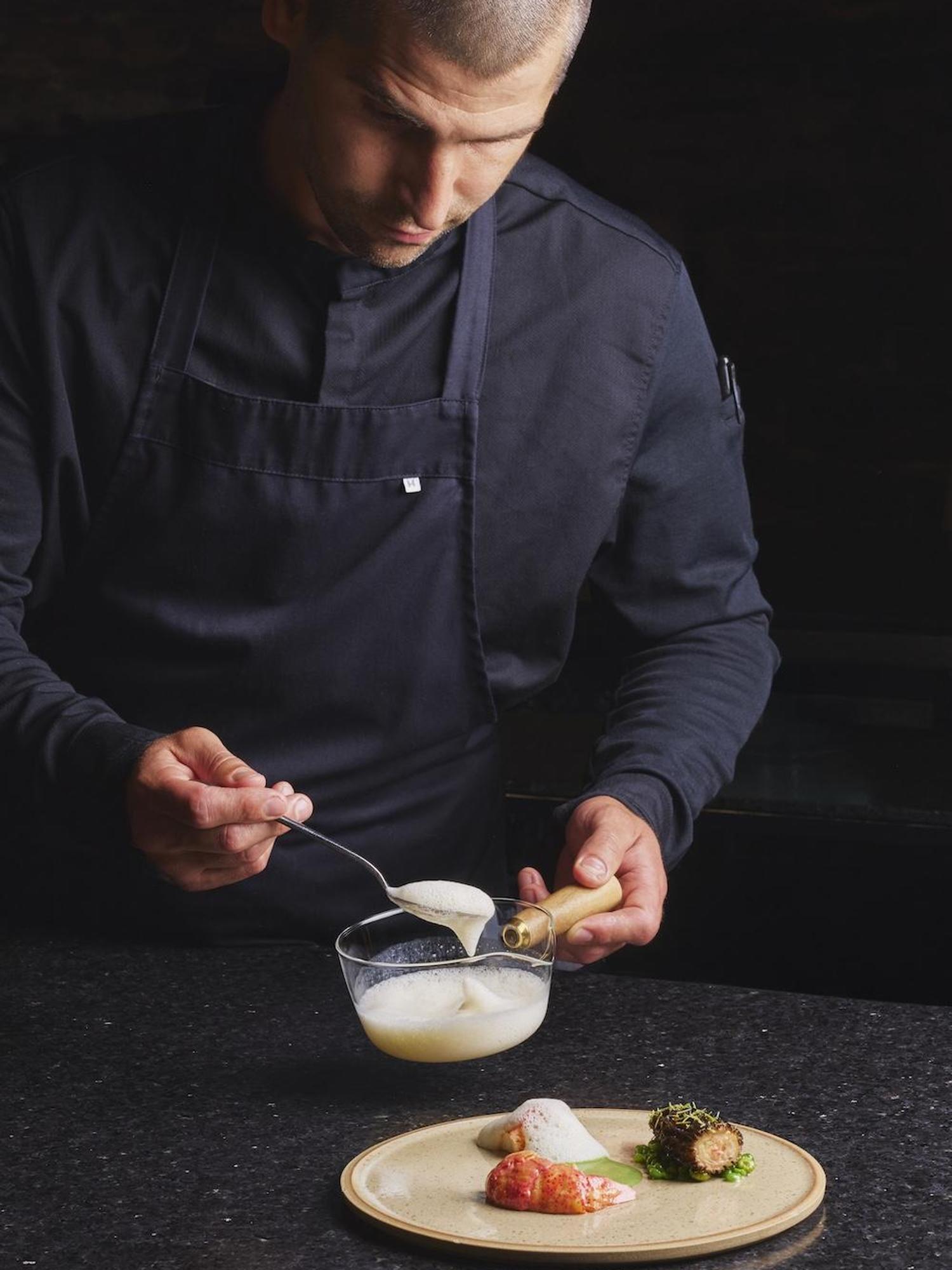
Tanière³ has sold out every service and remained solidly booked four to five months in advance.
Audrey-Eve Beauchamp
At Tanière³, the added stability has translated directly into profit. Bourdelais says the restaurant has doubled its net profit margin since earning its Michelin stars.
The results at Tanière³ and Don Alfonso show that Michelin recognition does not eliminate the pressures facing restaurants. It does, however, strengthen two crucial parts of the business: customer volume and customer spending. At Tanière³, that advantage has increased the restaurant’s net profit margin. At Don Alfonso, it continues to support strong reservations and higher spending even as rising costs put pressure on profitability.
At a time when many Canadian restaurants are struggling simply to break even, opening one is hardly a safe financial bet. But Michelin makes that model more financially viable by increasing both bookings and customer spending. It cannot make fine dining cheap to run, but it can fill the room with diners prepared to spend.